The Stud Gallery
Understanding winter traction through tire tread patterns and stud configurations
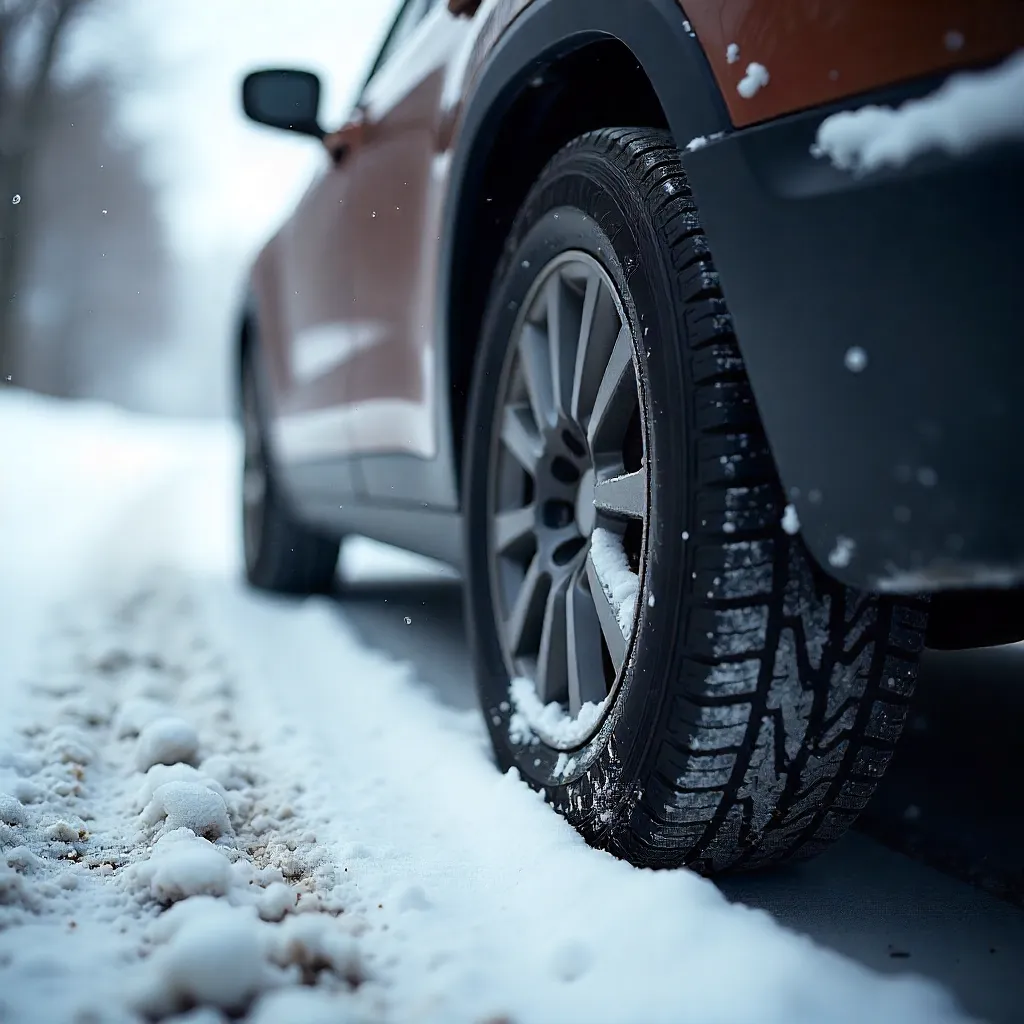
The Physics of Winter Traction
Winter cycling presents unique traction challenges. Different conditions require different approaches to tire design and stud placement. Understanding these principles helps select the optimal tire configuration for your riding conditions.
Studded tires work by creating localized pressure points that penetrate ice surfaces. The number, placement, and orientation of studs determine performance characteristics across various winter scenarios.
Stud Count Configurations
Stud count directly influences traction characteristics. More studs provide greater ice grip but can affect rolling resistance and weight. Fewer studs offer better efficiency but reduced ice performance.
240-Stud Configuration

Maximum ice traction. Ideal for black ice conditions and hard-packed snow. The dense stud pattern ensures consistent contact across the tire surface.
Best for: Urban commuting on icy roads, hard-packed trails, consistent ice conditions
106-Stud Configuration
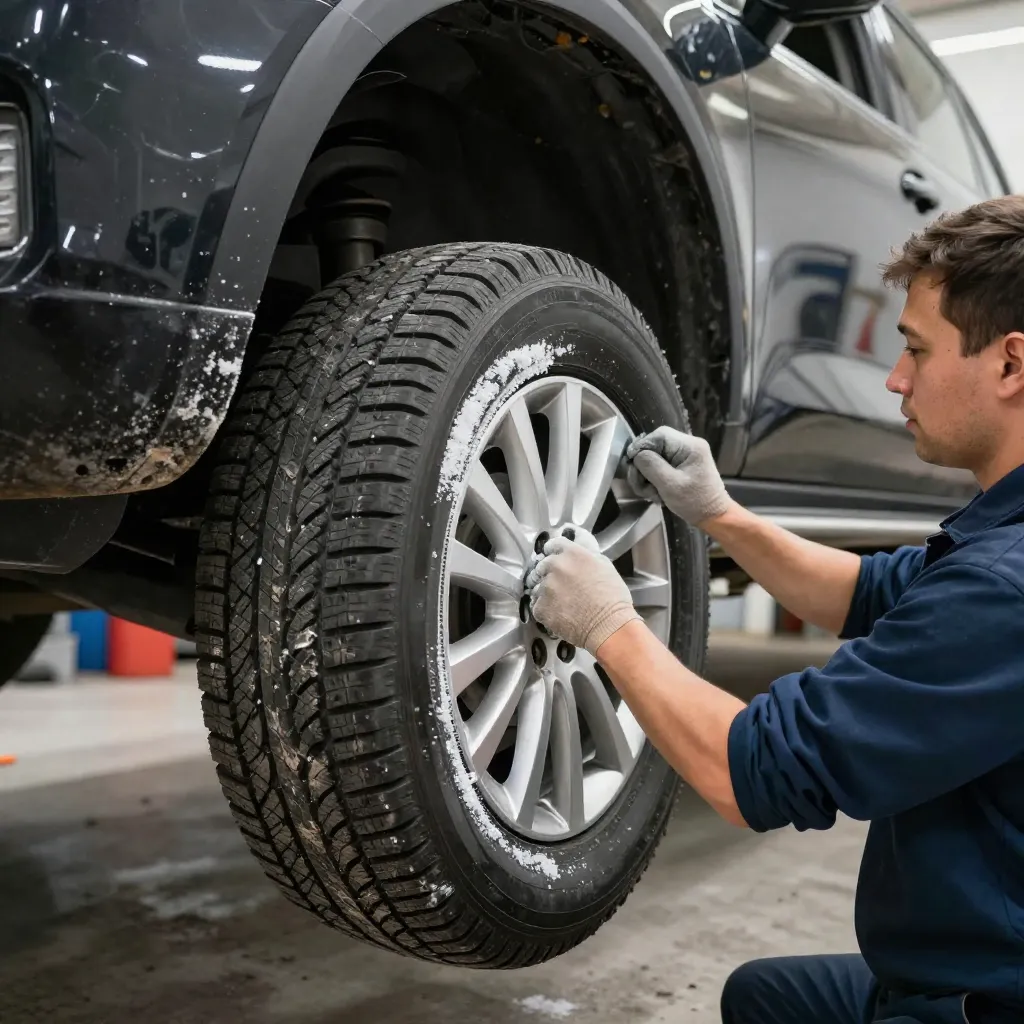
Balanced performance. Provides adequate ice grip while maintaining better rolling characteristics. Suitable for mixed conditions.
Best for: Variable winter conditions, longer rides, mixed ice and snow surfaces
Tread Pattern Physics
Tread design works in conjunction with stud placement to create effective winter traction. Different patterns excel in different conditions.
| Tread Pattern | Ice Performance | Snow Performance | Rolling Resistance |
|---|---|---|---|
| Aggressive Knobby | Good (with studs) | Excellent | High |
| Low-Profile Knobs | Very Good (with studs) | Good | Medium |
| Semi-Slick | Excellent (with studs) | Fair | Low |
| File Tread | Good (with studs) | Very Good | Medium |
Condition-Specific Recommendations
Black Ice (Urban)
Black ice requires maximum stud contact. Higher stud counts (240+) provide the best safety margin. Semi-slick treads maximize stud-to-surface contact.
Stud placement should be uniform across the tire surface, with particular attention to the center tread area where most braking occurs.
Deep Snow (Trail)
Deep snow benefits from aggressive tread patterns that dig into soft surfaces. Stud count can be lower (106-150) as snow provides natural traction.
Wider tires with pronounced knobs help float over snow and provide better control in loose conditions.
Mixed Conditions
Variable conditions require balanced approaches. Moderate stud counts (150-200) combined with versatile tread patterns offer the best overall performance.
Consider tire pressure adjustments based on conditions. Lower pressure increases contact area but can affect stud penetration.
Hard-Packed Snow
Hard-packed surfaces behave similarly to ice. Higher stud counts provide better grip. Tread pattern matters less than stud configuration.
Stud orientation becomes critical. Angled studs provide better grip during cornering and braking maneuvers.
Stud Placement Strategies
Effective stud placement considers riding dynamics. Different areas of the tire contact patch experience different forces during acceleration, braking, and cornering.
Center tread studs handle straight-line traction and braking. Shoulder studs provide cornering grip. The transition between these zones requires careful consideration.
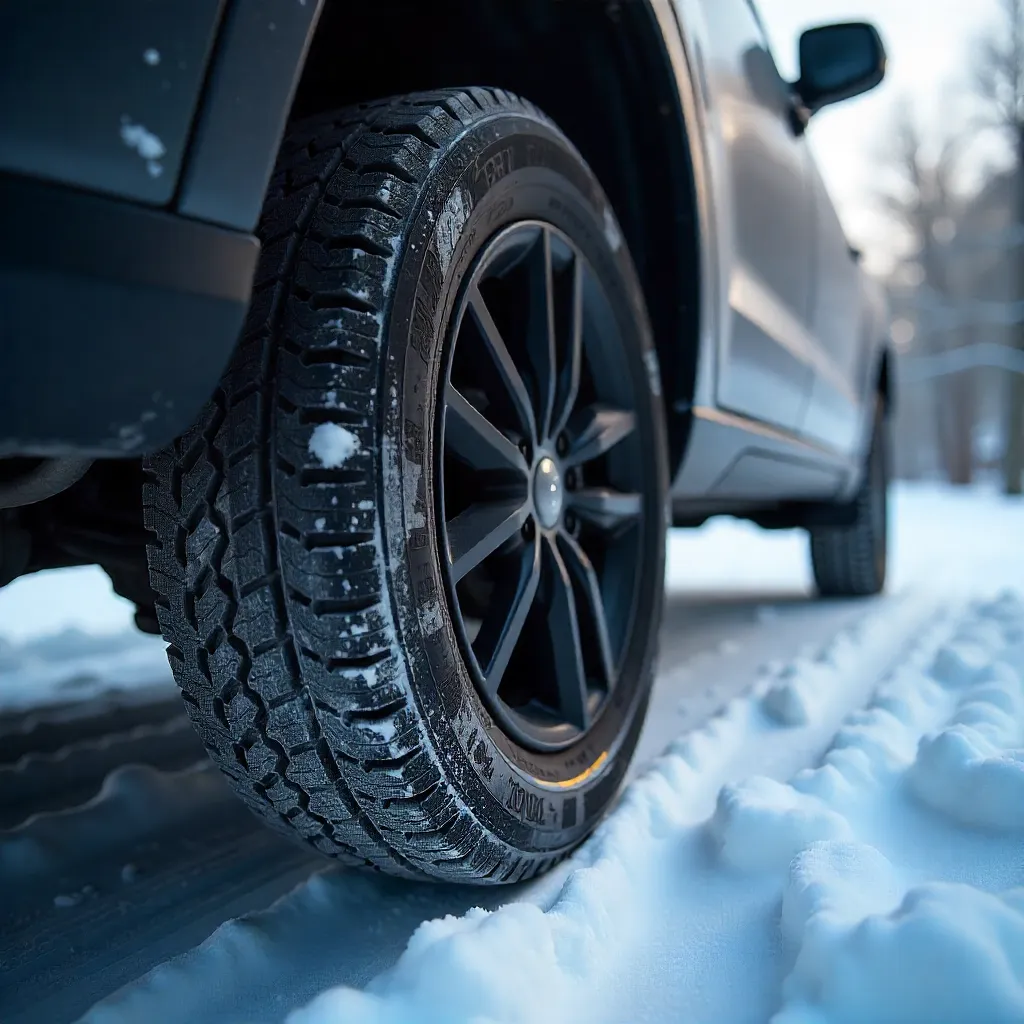
Optimal stud placement zones for maximum traction
Need Help Choosing?
Contact us to discuss the best tire configuration for your winter riding conditions.
Get Expert Advice